
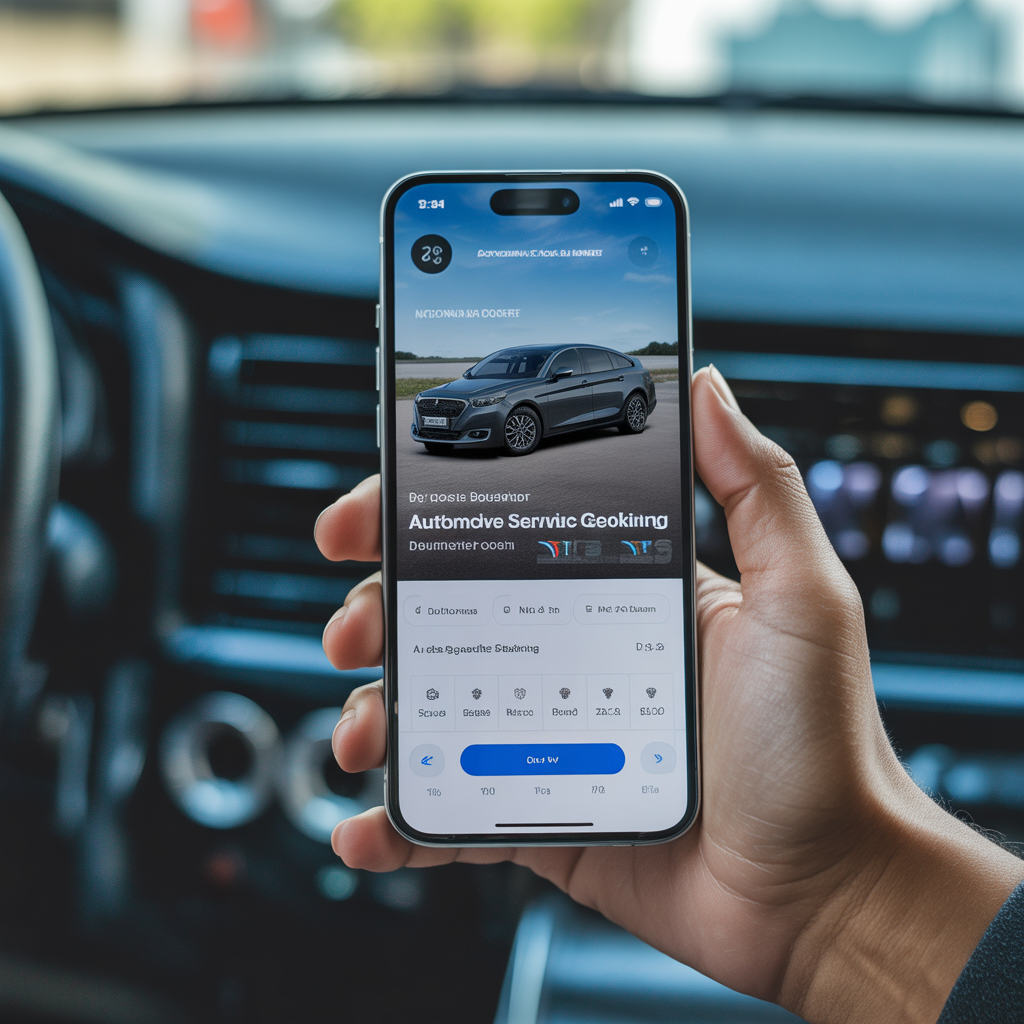
The Canadian automotive service industry is increasingly mobile. A 2024 survey by the Canadian Automobile Dealers Association found that 78% of vehicle owners prefer to schedule service appointments via mobile apps rather than phone calls. For dealerships and service centers, having a well-designed mobile app isn't just a competitive advantage—it's becoming essential for survival.
At TechCourse Canada, we've developed mobile applications for over 150 auto industry businesses, from single-location service centers to national dealership networks. Based on our experience and client data, here are the five features that separate successful auto apps from forgotten downloads.
1. Intelligent Service Scheduling
This might seem obvious, but the execution matters enormously. The best auto service apps don't just let customers pick a time slot—they actively guide them toward optimal scheduling based on multiple factors:
- Service bay availability: Real-time integration with shop management systems
- Technician expertise: Matching complex jobs with qualified technicians
- Parts availability: Checking inventory before confirming appointments
- Customer history: Suggesting services based on vehicle mileage and past visits
One of our dealership clients saw a 40% reduction in appointment cancellations after implementing intelligent scheduling that auto-matically verified parts availability before confirmation. Customers no longer arrived only to learn their service couldn't be completed that day.
2. Real-Time Service Tracking
Think Uber, but for your car service. Customers want to know exactly where their vehicle is in the service process. An effective tracking feature includes:
- Status updates at each stage (checked in, diagnosis, in progress, quality check, ready)
- Push notifications for status changes
- Estimated completion times that auto-update based on actual progress
- Direct messaging with service advisors
- Photo/video documentation of issues found
The photo/video capability deserves special attention. When technicians can send customers actual images of worn brake pads or damaged components, approval rates for additional services increase dramatically. Our clients report 65% higher approval rates for recommended services when supported by visual evidence.
3. Digital Vehicle Health Reports
Modern vehicles contain hundreds of sensors generating continuous data about component health. A good auto service app transforms this data into actionable insights for customers:
- Visual dashboard showing overall vehicle health score
- Specific component status (brakes, tires, fluids, battery, etc.)
- Predictive maintenance alerts based on usage patterns
- Cost estimates for upcoming services
- Comparison with manufacturer recommendations
This feature transforms the customer relationship from reactive (something breaks, they come in) to proactive (they know what's coming and can plan accordingly). For service centers, this means more consistent revenue flow and better parts inventory management.
4. Integrated Payment and Financing
Nobody likes paying for car repairs, but friction-free payment makes the experience less painful. Essential payment features include:
- Secure storage of payment methods
- Split payment options
- Financing integration for larger repairs
- Digital receipts with detailed breakdowns
- One-tap payment for approved estimates
We've seen shops reduce their average collection time from 3.2 days to immediate payment by implementing in-app payment capabilities. The key is making it easy while keeping it secure—our apps use tokenization and never store actual card numbers on devices.
5. Loyalty and Referral Programs
Customer acquisition in the auto service industry is expensive. The businesses that thrive are those that maximize the lifetime value of each customer. Effective loyalty features include:
- Points accumulation for services performed
- Tiered rewards based on annual spending
- Referral tracking with auto-matic credit
- Exclusive offers for app users
- Service history that follows the customer across locations
A multi-location dealership group we work with implemented a loyalty program through their app that increased repeat visit rates by 28% in the first year. The key was making rewards meaningful—free oil changes and priority scheduling for top-tier members.
Technical Considerations
Beyond features, successful auto apps require solid technical foundations:
Cross-Platform Development
With customers split roughly 50/50 between iOS and Android in Canada, supporting both platforms is essential. We typically recommend React Native or Flutter for auto service apps, providing near-native performance while maintaining a single codebase for efficiency.
Offline Capabilities
Service centers aren't always in areas with strong cellular signals. Apps should cache critical information and queue actions for sync when connectivity returns.
Integration Architecture
The app is only as good as its connections to back-end systems. We build robust APIs that integrate with popular DMS platforms (CDK, Reynolds, Dealertrack) and can auto-sync with shop management tools, CRM systems, and accounting software.
Measuring Success
How do you know if your auto app is delivering value? Key metrics to track:
- App-booked vs. phone-booked appointments: Target 60%+ app bookings within 12 months
- Customer satisfaction scores: App users should rate higher than non-app customers
- Service approval rates: Track improvement from baseline
- Customer retention: App users should show higher return rates
- Revenue per customer: Expect 15-25% increase from engaged app users
Getting Started
Building a successful auto industry mobile app requires understanding both the technology and the business. At TechCourse Canada, we begin every mobile project with a thorough discovery phase where we analyze your current operations, customer journey, and competitive landscape.
Whether you're a single-location shop looking for a basic booking app or a national chain needing an enterprise-grade platform, the principles remain the same: understand your customers, integrate deeply with your operations, and iterate based on real usage data.
Ready to Build Your Auto Service App?
Let's discuss how mobile technology can transform your customer experience.
Start the Conversation